
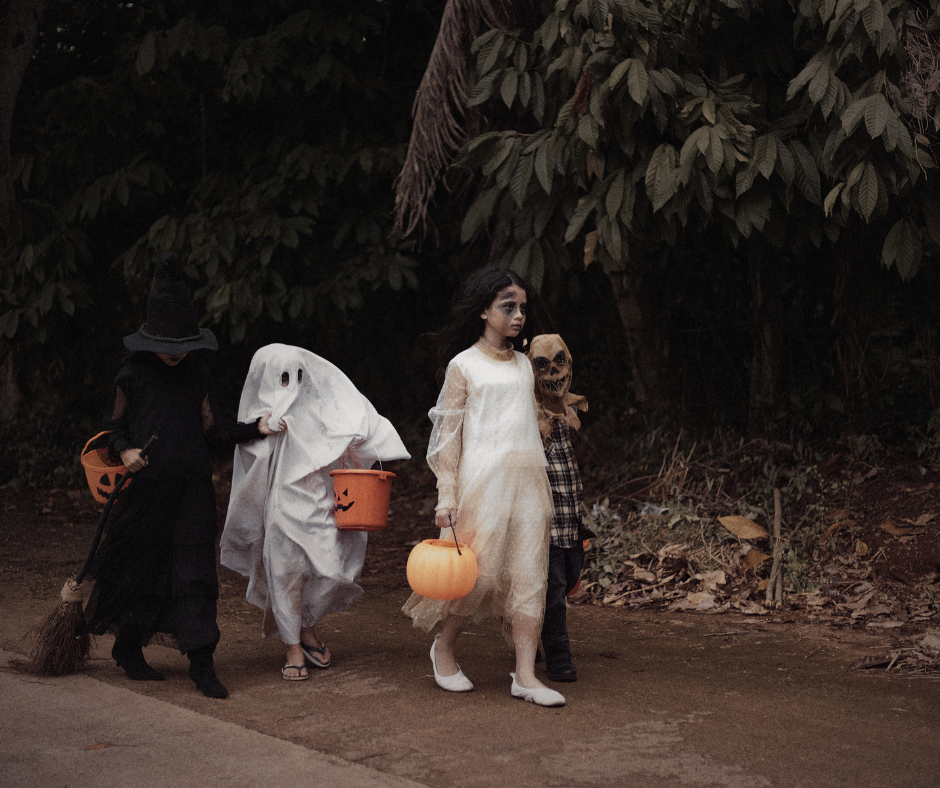
From Ancient Rituals to Halloween Tradition
Trick-or-treating is one of the most beloved and iconic Halloween traditions, where children dress up in costumes and go door-to-door collecting candy. But have you ever wondered how this spooky custom came to be? The origins of trick-or-treating are deeply rooted in ancient rituals, religious traditions, and old-world customs that have evolved over centuries. Let’s take a journey through the history of trick-or-treating, trace its origins, and discover how it became the festive practice we know today.
Ancient Origins: The Celtic Festival of Samhain
The origins of Halloween and trick-or-treating can be traced back over 2,000 years to the ancient Celtic festival of Samhain (pronounced “sow-in”). Celebrated on October 31, Samhain marked the end of the harvest season and the beginning of winter. It was believed that on this night, the boundary between the living and the dead was blurred, allowing spirits to roam the Earth.
During Samhain, the Celts would light bonfires and wear costumes made of animal skins to ward off evil spirits. Offerings of food were left outside homes to appease the wandering ghosts, ensuring that they would not bring misfortune. This practice of giving food to spirits is often seen as a precursor to modern trick-or-treating.
The Influence of All Saints’ Day and All Souls’ Day
In the 8th century, Pope Gregory III established All Saints’ Day on November 1, and All Souls’ Day on November 2, as Christian holidays to honor saints and the faithful departed. Together, these days were meant to replace the pagan practices of Samhain with Christian observances.
During All Souls’ Day, it became a common practice for the poor to go door-to-door offering prayers for the souls of the deceased in exchange for food. This early tradition of going door-to-door for food, known as “souling,” is seen as one of the main influences on modern trick-or-treating. People would give soul cakes, small pastries with crosses on them, to those who came to their door. Children often took part in this, and they would sing songs or recite prayers in exchange for the cakes.
“Guising” in Scotland and Ireland
Another important predecessor of trick-or-treating is the tradition of “guising” in Scotland and Ireland. Guising, which dates back to the 16th century, involved children dressing in costumes and going door-to-door collecting treats such as coins, fruit, or nuts. However, instead of simply asking for treats, children were often expected to perform a song, poem, or joke in exchange for their goodies.
The word “guising” comes from the word “disguise,” referring to the costumes worn by children to conceal their identities, much like modern Halloween costumes. This practice was popular in both Scotland and Ireland and eventually made its way to the United States through immigrants.
The Emergence of Halloween in America
Halloween as we know it began to take shape in the United States in the 19th century, largely due to the influx of Irish and Scottish immigrants who brought their Halloween traditions with them, including the custom of guising. However, it wasn’t until the early 20th century that the tradition of children dressing up in costumes and going door-to-door for candy became widespread.
Initially, Halloween was celebrated with community parties, parades, and mischievous activities like pranks. In fact, in the early 1900s, Halloween was often associated with “mischief night,” a time when young people would pull pranks and cause minor chaos. As a result, many communities sought ways to make Halloween a more family-friendly holiday.
By the 1930s, trick-or-treating started to gain popularity in North America as a safer, more organized way for children to celebrate Halloween. The term “trick-or-treat” was first recorded in print in 1927 in an article from a newspaper in Alberta, Canada. The article described how young Halloween pranksters were going door-to-door demanding treats to avoid playing tricks on homeowners. Over the next few decades, the term became more widespread across the United States and Canada.
The Rise of Candy on Halloween
While early trick-or-treaters received a variety of treats such as fruit, nuts, or small toys, the rise of candy as the primary treat didn’t occur until the mid-20th century. After World War II, sugar rationing ended, and the candy industry saw an opportunity to capitalize on the growing popularity of Halloween.
By the 1950s, candy manufacturers began promoting small, individually wrapped candies as the perfect Halloween treat, and by the 1970s, candy had become the dominant offering for trick-or-treaters. Today, Halloween is one of the biggest candy-selling holidays in the United States, with millions of pounds of candy being handed out to eager trick-or-treaters each year.
Trick-or-Treating Today
Trick-or-treating is now a deeply embedded part of Halloween, with children across the United States and other parts of the world eagerly donning costumes and going door-to-door in search of candy. The tradition has grown into a family-friendly celebration that brings communities together and continues to evolve with new trends, like “trunk-or-treat” events, where kids gather in parking lots to collect treats from decorated cars.
Despite its modern twists, trick-or-treating retains many of its ancient roots—from the practice of dressing in costumes to the giving of food as a way to ward off spirits. What began as a blend of ancient Celtic, Christian, and European customs has become a cherished part of Halloween tradition, celebrated by millions every year.
Happy Halloween!!
0 Comments